.png?width=128&height=85&name=Logo%20(3).png)
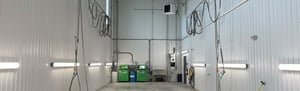
Setting up an industrial wash bay isn’t something you can wing. Whether it’s a space designed to clean a fleet of company vehicles, a condo basement, or a commercial car wash, every technical decision directly impacts the profitability, safety, and efficiency of operations. An improperly sized system or poor component layout can slow down operations and drive up maintenance costs.
To help you bring your project to life, this article details all the elements you need to plan, from basic infrastructure to industrial equipment.
Table of contents
- Infrastructure and Environment
-
Frequently Asked Questions About Car Wash Facilities and Wash Bays (FAQ)
Key Considerations Before Getting Started
Before requesting a quote or purchasing equipment, you must clearly define the intended use of your future industrial bay wash. The business model and internal logistics will determine the layout of the facility.
The first question concerns who will be using the car wash. Is it a commercial car wash with a coin-operated machine where customers wash their own vehicles? Or is it a private facility where your own employees wash your fleet of trucks?
It is also crucial to verify the building’s electrical capacity. Is the available power supply 220V or 575V? High-performance industrial equipment often requires a voltage of 575V to operate optimally without overloading the electrical system. The available amperage must also be checked. For example, a 3,000 psi, 4 gpm high-pressure washer with a 48 kW all-electric water heater draws approximately 60 amps.
Dimensions and Layout
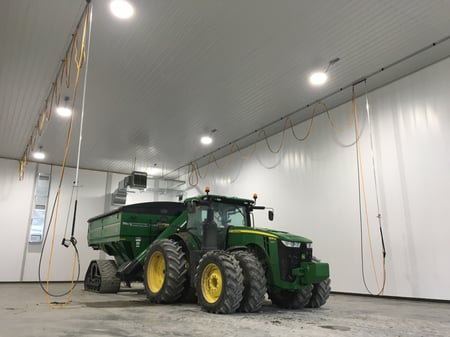
The size of the room limits the types of vehicles you can accommodate. A standard industrial wash bay is usually about 60 feet long, which allows for washing heavy-duty trucks or trailers.
The bare minimum required for a functional wash bay is a space 15 feet wide by 25 feet long. If the space is smaller than these dimensions, freedom of movement around the vehicle is greatly compromised.
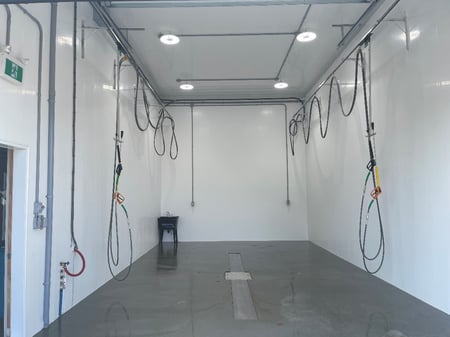
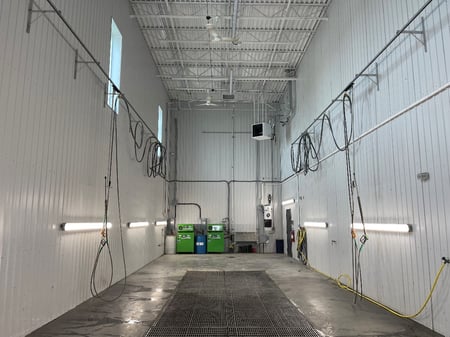
Inspect the ceiling and walls for any obstacles that need to be worked around. The presence of a suspended furnace, ventilation ducts, or structural columns can interfere with the installation of systems that will be mounted on the walls or ceiling.
If your building has multiple wash bays, follow the golden rule: one pressure washer per wash bay. If you have two doors, install two separate pressure washers. If you have three doors, install three pressure washers.
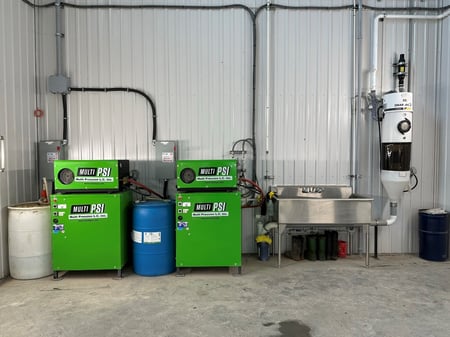
Important note: This configuration prevents your entire facility from coming to a standstill during maintenance periods. If a machine requires maintenance, only that bay is taken out of service, thereby maintaining the productivity of the other doors.
We strongly recommend setting up a service passageway between the various wash bays. We recommend building a concrete block wall to separate the bays, with an opening for access. We recommend painting the walls with white epoxy paint. Why? This finish reflects as much light as possible and makes it easier to clean the walls, while providing a solid base for mounting the foam brushes and carpet holders.
Choosing High-Pressure Equipment
The heart of your system is the washing unit. You must choose between three types of power sources to run your high-pressure washer.
This section is intended for situations where your own employees wash the company’s fleet of vehicles. If your project is a commercial self-service car wash, where customers wash their own vehicles, please refer to the Magikist option described below.
Industrial Wash Bay
- All-electric: This option is clean and quiet. However, it requires a thorough check of the available voltage and amperage in your electrical panel. The electrical connection must be made by an electrician at the customer’s expense.
- Diesel burner: Ideal for quickly heating water without overloading the electrical system. This system requires the installation of a flue to vent combustion gases. This must be done by a plumber at the customer’s expense.
- Natural gas or propane: An efficient and cost-effective long-term solution if the building is already connected to natural gas or propane. As with diesel, the installation of a compliant flue is required. This must be done by a natural gas and propane technician, at the customer’s expense.
The location of this machine is a strategic issue. Should it be placed directly in the washing area or in an adjacent mechanical room?
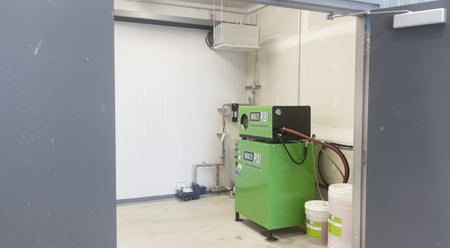
It is always preferable to install a high-pressure washer in a separate mechanical room. This protects the components from constant moisture, greatly facilitates technical maintenance tasks, and prevents the risk of misuse by users.
Commercial Car Wash
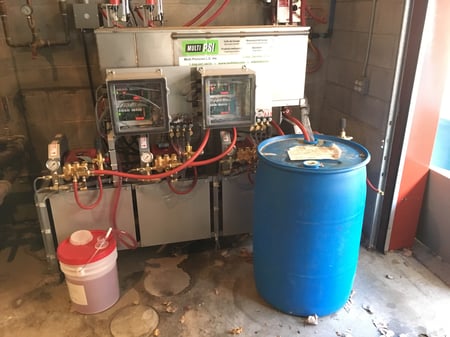
The Magikist Option for a Commercial Car Wash: If your project is a self-service car wash where customers wash their own vehicles (with a coin slot), the equipment of choice is not an individual pressure washer as described above, but rather a centralized Magikist-style wash bay. This system is designed specifically for self-service use: it combines the wash cycles (high-pressure water, soap, wax, foam brush) that the user selects themselves, and is also installed in a separate mechanical room for the same reasons of protection and ease of maintenance.
Rail and Boom Distribution Systems
Delivering water and detergent to the vehicle without cluttering the floor is a major safety challenge. Hoses left lying on the ground suffer premature damage and pose a tripping hazard for workers.
To suspend your lines, we recommend a rail system mounted to the ceiling or wall. This mechanism allows high-pressure hoses and detergent lines to slide along the entire length of the work area.
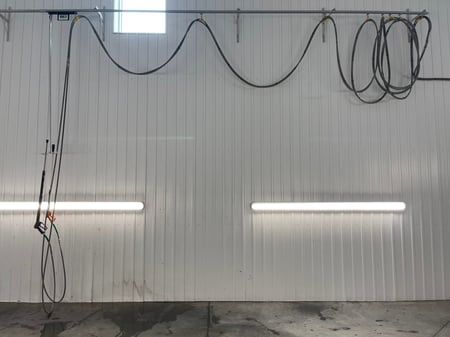
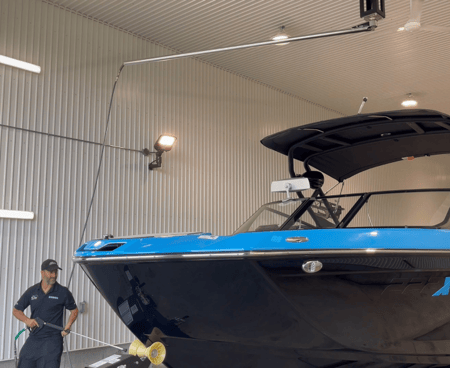
If the configuration of your ceiling or the presence of obstacles prevents the installation of rails, swivel booms are the best alternative. Available in wall-mounted or ceiling-mounted versions, these articulated arms rotate 180 or 360 degrees to effortlessly follow the operator’s movements.
Washing Accessories
A well-organized wash bay should include ergonomic holders for each tool. Install sturdy mounting brackets for spray guns and lances.
An efficient standard setup includes:
- One high-pressure trigger gun on each side (rail system).
- One detergent trigger gun on each side (also a rail system).
- One dual-function lance on each side for easily switching between soap application and high-pressure rinsing.
- Washing nozzles suited to your pump’s flow rate and pressure.
SW10 Hose : Injuriy Prevention
The quality of the flexible hoses determines the durability of your system. For main wash lines, we recommend using SW10 hoses for each wash gun.
What is an SW10 hose? It is a premium industrial-grade hose with a highly abrasion-resistant outer jacket. Its exceptional flexibility prevents kinking, helps prevent carpal tunnel syndrome, and reduces physical fatigue for the user during extended washing sessions.
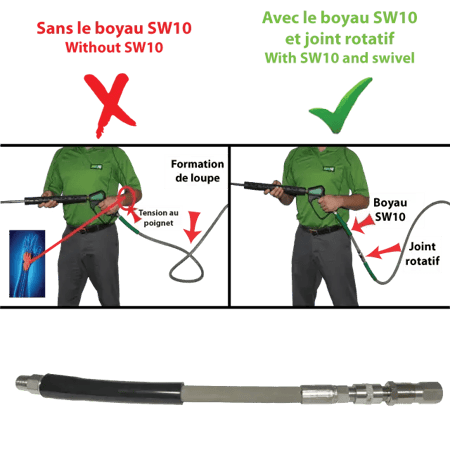
Use 6,000 psi non-marking high-pressure hoses for high-pressure water and specialized, chemical-resistant high-pressure hoses for supplying foam and detergent systems.
To maximize the appeal of your business or the efficiency of your private room, several useful add-ons can complement your offerings:
Vaccum Cleaner
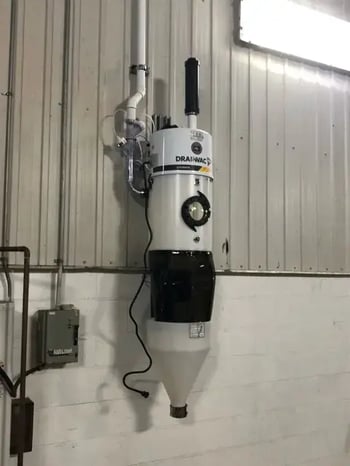
For a thorough cleaning of the vehicle interior, a vacuum cleaner capable of picking up both solids and liquids is an excellent solution. We recommend the Drainvac DV2A31-27CB model, a rugged, high-performance unit designed for heavy-duty use.
Thanks to its powerful suction, it effectively removes dust, sand, debris, water, and other liquids that accumulate in vehicles. Its low-profile tank also offers a significant advantage: it makes it easy to retrieve items that are accidentally vacuumed up—such as keys, coins, screws, or other small accessories—preventing them from being lost.
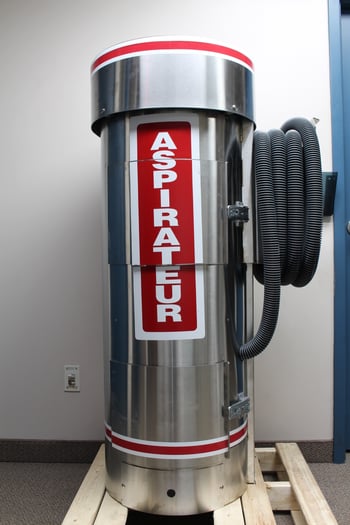
For applications where only the removal of solid debris is required, it is also possible to install a Magikist commercial vacuum cleaner. Designed for heavy-duty use, it allows for quick and efficient cleaning of vehicle interiors while offering a simple, reliable, and low-maintenance solution.
Chamois wringer
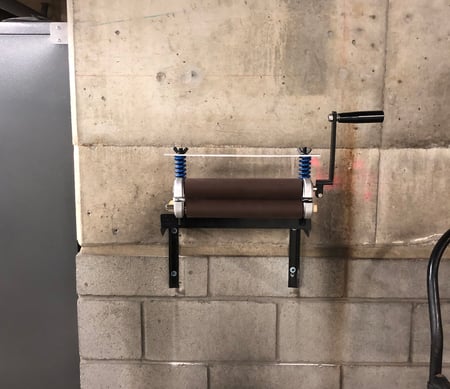
Convenient for both customers and employees, the wringer allows you to quickly wring out a chamois or microfiber cloth after rinsing, effortlessly and without having to wring them out by hand. It effectively removes excess water, making it easier to dry vehicles, improving user comfort, and helping to extend the lifespan of the cloths and chamois.
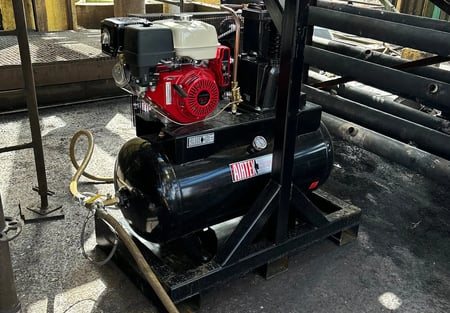
Air Compressor
Essential for powering air-powered accessories, the compressor also effectively blows out water trapped in hard-to-reach areas, such as door crevices, side mirrors, grilles, moldings, and other cavities. This step speeds up drying, reduces the risk of water running down the car after washing, and contributes to a cleaner, more professional finish.
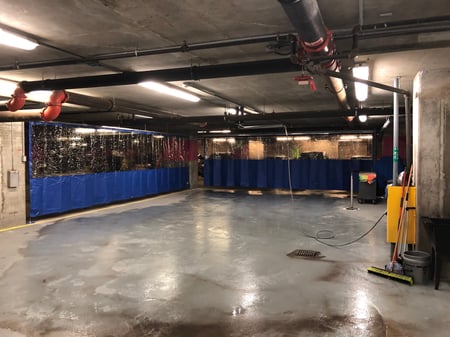
Partition Curtain
Partition curtains are an excellent solution for containing splashes and limiting the spread of water to a single work area. They allow you to perform multiple tasks simultaneously in the same space while maintaining a cleaner, safer, and more functional environment.
At Multi PSI, we install partition curtains exclusively as part of comprehensive washroom projects. They are integrated into a comprehensive solution designed to optimize the efficiency, safety, and layout of your workspace.
If you are looking for a partition curtain only—without a complete washroom project—we recommend contacting a company that specializes in the manufacture and installation of this type of product.
High-Pressure Washer Technology and Detergent Selection
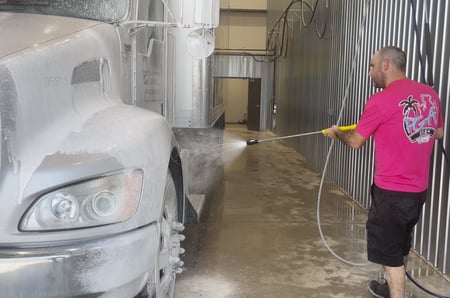
To remove road grime and stubborn grease, water pressure alone isn’t enough. Incorporating advanced foaming technologies is a definite advantage.
You can choose to equip your system with a simple soap mixer or invest in a full-fledged MHP system. Most customers opt for an MHP system because of its effectiveness.
What is the MHP (High-Pressure Foam) system? MHP technology combines pressurized water and a concentrated foaming agent using a specialized MHP detergent injector. This process generates a dense, sticky foam that clings to the vehicle’s vertical surfaces, extending the chemical contact time to dissolve dirt before rinsing. In addition, it reduces your detergent consumption by 15 to 20%.
In this category, the MPSI-5011 detergent stands out in particular. This product is highly recommended because its highly concentrated chemical formula is specially stabilized for MHP systems and foam-brush washers. It offers excellent degreasing power without damaging vehicle paint finishes, chrome, or seals, while ensuring minimal operating costs. It also contains orange-derived D-limonene, which acts as a degreaser.
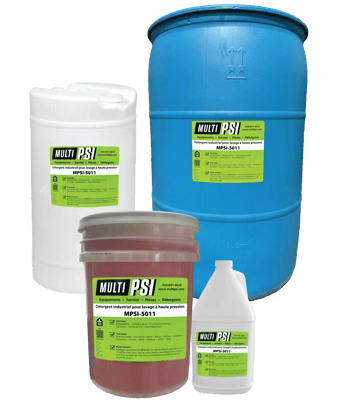
In addition, this product is approved by Health Canada and contains no caustic substances or H₂S. It is completely biodegradable in less than 28 days, as tested according to OECD 301D. It contains a powerful salt inhibitor. This means that not only does it clean effectively, but it also protects your vehicle from the harmful effects of road salt during the winter season. Finally, it is compatible with oil separators.
Infrastructure and Environment
The design of an industrial wash bay must comply with local environmental standards. You must plan for the management of wastewater and solid sediments before beginning any plumbing work.
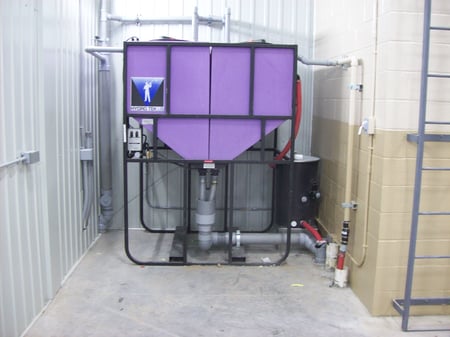
It is the customer’s responsibility to ensure that an effective sand trap is installed in the bay floor. Heavy sediment (sand, mud, rocks) must be intercepted before it enters the drain pipes. The retention basin must be at least 2 feet wide by 2 feet long to be functional and easy to empty.
In addition, the installation of an oil separator is often required to capture hydrocarbons from engines and chassis. It is the owner’s responsibility to check with their municipality to find out the strict regulatory requirements in effect in their industrial zone.
Payment System
If you choose a commercial self-service car wash model, managing payments requires robust equipment.
Install a coin acceptor with a selector that offers different modes:
- High-presure water mode
- Soap mode
- Was mode
- Foam brush mode
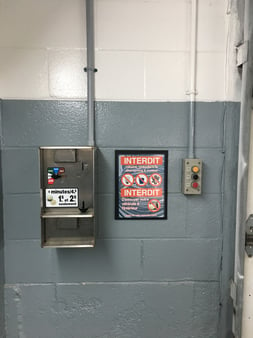
This receptacle must be installed on the driver's side of the vehicle for quick access. It is essential that this enclosure be securely anchored and sealed into the block wall, rather than simply screwed to the surface. This equipment serves as a safe and must be resistant to theft and vandalism.
Component Chart
To prepare a compliant and realistic proposal, make sure your project includes at least the following elements:
| Equipment |
Recommended Location |
Primary Function |
|
High-pressure washer |
Mechanical Room |
High-pressure industrial equipment, use by employees |
|
Wash bay (Magikist) |
Mechanical Room |
Car Wash Equipment, Use by Customers |
|
Barrel of soap (205 liters) |
Mechanical Room |
Industrial Detergent Supply |
|
Foam brush |
Wash bay |
Soap brush (Magikist only) |
|
Multi-mode coin receptacle |
Wash bay (Mounted on the wall) |
User-Selected Wash Cycles (Magikist only) |
|
Stainless steel ceiling pole or rail system |
Wash bay (Ceiling/Wall) |
Air Support and Hose Guidance |
|
Mat holders (6 units total) |
Wash bay (3 driver's side / 3 passenger side) |
Securing floor mats for cleaning |
Ready to optimize your car wash?
The complete technical planning of an industrial wash bay typically takes one workday to design the wash bay. You should also plan for a lift platform, for example, to install the overhead rails.
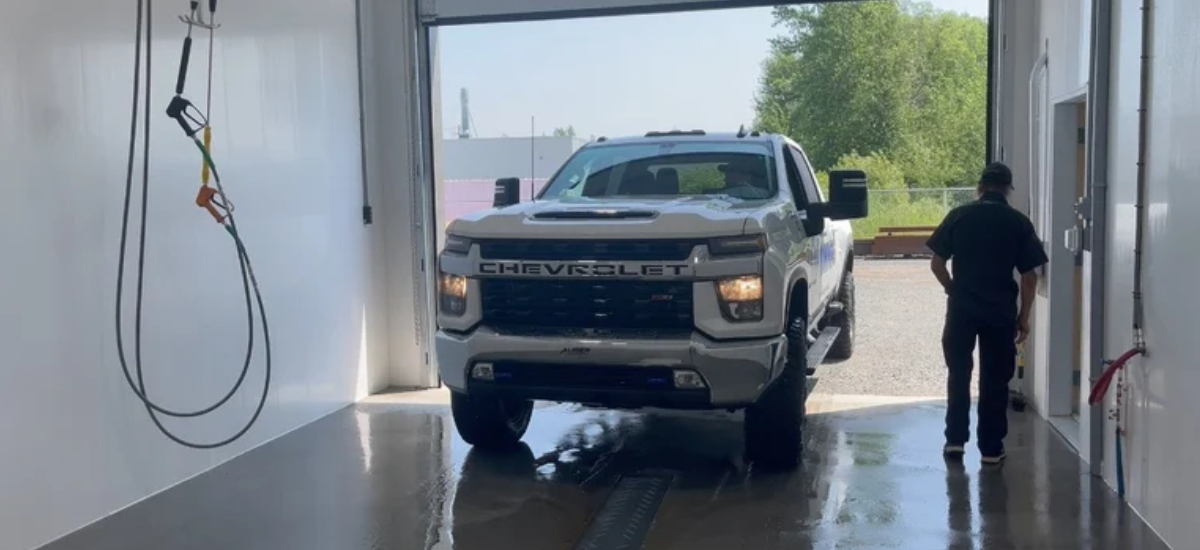
However, it is strongly recommended that you have the premises inspected by experienced professionals, such as the Multi PSI team, before finalizing your technology choices. An on-site inspection allows you to assess the room’s actual layout, identify any ventilation or electrical conduits that need to be worked around, and verify that existing drains meet specifications. This step prevents ordering errors and ensures that your production schedules are met.
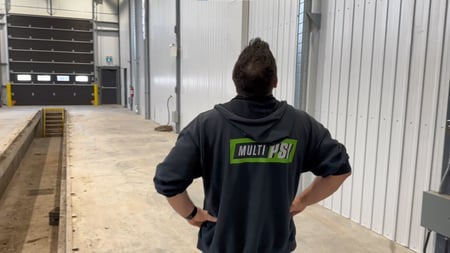
By asking the right questions from the start and choosing durable components—such as the rail system, the MHP system, the type of hoses, and the MPSI-5011 detergent—you can be sure of a reliable, safe, and cost-effective infrastructure for the next ten years.
FAQ - Frequently Asked Questions About Car Wash Facilities and Wash Bays
What is the minimum size for an industrial wash bay?
The minimum space required to set up a functional wash bay is a room 15 feet wide by 25 feet long. However, standard configurations are typically around 60 feet long to accommodate heavy-duty trucks.
Why choose a high-pressure cleaning system for each bay?
Installing a standalone high-pressure machine for each bay prevents your entire facility from coming to a standstill in the event of a breakdown. If maintenance is required, you’ll only need to shut down a single bay instead of the entire site.
What is the MHP system in an industrial wash bay?
The MHP (High-Pressure Foam) system sprays your detergent as high-pressure foam. This allows the detergent to adhere more effectively to the surface. It also reduces your detergent consumption by 15 to 20%.
Why is MPSI-5011 detergent recommended?
MPSI-5011 detergent features a highly concentrated formula that is ideal for degreasing vehicles without damaging the finish. It is biodegradable in less than 28 days and approved by Health Canada. The 205-liter container, stored in the mechanical shop, reduces the cost per wash and extends the time between refills.
What is the difference between a industrial wash bay and a car wash?
Both terms describe the physical space, but their uses and equipment differ. An industrial washing bay facility is a general term that refers to the space itself—it can be used for internal purposes (your employees wash the company’s fleet of vehicles) or for commercial purposes. A car wash, on the other hand, specifically refers to a commercial self-service facility, where customers wash their own vehicles using a coin-operated machine.
This distinction directly determines the choice of equipment: for an in-house car wash, an individual high-pressure washer (electric, diesel, or natural gas) is installed. For a commercial self-service car wash, a centralized Magikist-type wash bay, designed for use by the general public, is the prefe
Why install the pressure washer in a mechanical room?
Placing the washing unit in an enclosed space protects it from ambient humidity and water splashes from the washing area. It also makes maintenance easier.
What are the requirements for installing a sand trap?
A sand trap is required to trap solid sediments. It must be installed by the customer and have minimum dimensions of 2 feet by 2 feet to allow for effective cleaning.
Is it necessary to install an oil separator in a wash bay?
This is often recommended by municipalities. The collection of hydrocarbons is subject to strict regulations. The customer must verify the applicable environmental standards with their municipality.
Why paint the walls of the washroom with white epoxy paint?
White epoxy paint is highly resistant to water and chemicals. It maximizes ambient light through reflection, making the workspace safer and more pleasant.
How long does it take to design an industrial washing bay?
It generally takes one day to complete the design of a full industrial washing bay. A site visit by experts such as Multi PSI is strongly recommended before work begins; this is essential to confirm that there are no obstacles on the ceiling or walls and that power is available for the washroom. Call us directly at 450-641-6633, ext. 221.
Author: Multi PSI has been an expert in high-pressure washing equipment for over 25 years. As an equipment distributor, we also offer mobile and workshop repair services. We are recognized for our expertise in custom projects, including washing platforms and trailers, as well as the installation of washing systems with reels, poles, or rails.
Updated on July 2, 2026