.png?width=128&height=85&name=Logo%20(3).png)
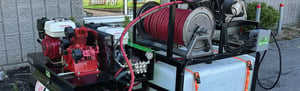
Access to a reliable water source and consistent air pressure is a daily challenge for professionals in industrial cleaning and building maintenance. Whether for complex projects in downtown areas, decontamination work, or the cleaning of ventilation systems, mobility is often the key factor in determining a job site’s profitability. A mobile washing platform for pickup trucks—fully self-contained and strategically configured—provides a practical solution to these logistical challenges.
By consolidating industrial-grade equipment onto a single frame designed to fit the bed of a utility truck, contractors eliminate time wasted connecting to water or electricity at customer sites. This comprehensive guide details the engineering, key components, and operational benefits of a high-end washing system designed to withstand the most demanding working conditions.
Table of contents
- The Technical Architecture of an Elite Mobile Unit
- Raw Power: MPJ4035BG 3500 PSI Pressure Machine
- Engineering from Here: The Airtek Air Compressor with Honda Engine
- The Key to Efficiency: The Three Hannay Reels Electric Hoses
- Low-Pressure Hose (200 feet): Smart Filling
- High-Pressure Hose (300 feet): Maximum Reach on the Job Site
- Compressed Air Hose (300 feet): The Versatility of Pneumatic Tools
- Why the pickup truck skid format is redefining urban mobility
- Technical specifications of the mobile pickup truck wash platform
- Maximize the profitability of your field operations
- Frequently asked questions about mobile wash platforms (FAQ)
The technical architecture of an elite mobile unit
The design of a tank skid, washing platform, is based on a fundamental principle: the perfect balance between the power of the components and the optimization of the loading space. A haphazard layout or poor weight distribution can not only compromise the road safety of the transport vehicle but also slow down the car wash operators’ daily operations. The strength of a custom-built “skid” configuration lies in the precise integration of all required functions onto a sturdy and durable steel or aluminum frame.
Every component of this mobile pickup truck wash platform is positioned to provide immediate, ergonomic access to controls and routine maintenance points. Oil gauges, air filters, relief valves, and quick-connect fittings must remain accessible without the operator having to climb into the truck bed every time. The combination of a reliable powertrain and smooth operation ensures consistent performance, thereby reducing the risk of costly mechanical breakdowns on remote job sites.
Furthermore, the compact design of the unit preserves space in the truck bed for transporting additional accessories, spare nozzles, extra hoses, or personal protective equipment. This meticulous design distinguishes a DIY setup from an industrial-grade tool built to last for decades.
Raw Power: MPJ4035BG 3500 PSI Pressure Washer
The heart of this setup is undoubtedly the cold-water pressure washer: the MPJ4035BG model. With a rated pressure of 3,500 PSI and a constant flow rate of 4 gallons per minute, this machine offers the ideal combination for breaking down buildup of grime, scale, or stubborn dirt. This precise balance between pressure and flow rate allows for a faster cleaning speed than the average standard equipment found on the market.
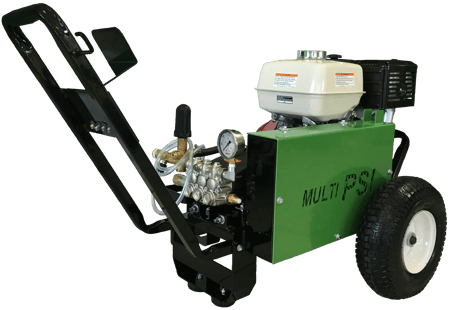
To sustain this level of performance over long periods, the unit is powered by a genuine Honda engine. Honda engines are recognized worldwide for their easy starting, low fuel consumption, and durability in the face of constant vibration. The drive shaft transmits mechanical power to a high-quality triplex piston pump, equipped with a brass cylinder head to resist corrosion and premature wear caused by thermal variations in the water.
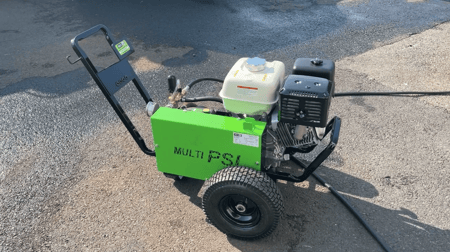
A key feature of the MPJ4035BG machine on this mobile pickup truck wash platform is the inclusion of a large-capacity buffer water tank. Fluctuations in municipal water pressure or the complete lack of a water source at certain job sites make the use of a water tank essential. This tank continuously supplies the pressure pump, thereby preventing the destructive phenomenon of cavitation that occurs when a pump runs out of water and draws in air bubbles. Oversized supply piping and an efficient filtration system at the pump inlet complete this high-performance system.
Engineering from Here: The Airtek Air Compressor with a Honda Engine
The second key component installed on this tank skid, washing platform, is the Airtek air compressor. The choice of this manufacturer is strategic, as it is a well-known Quebec-based company that designs and manufactures its products right here in Quebec. This local manufacturing ensures that the equipment is perfectly suited to local conditions, particularly the challenges of starting the compressor in humid weather that car wash operators face.
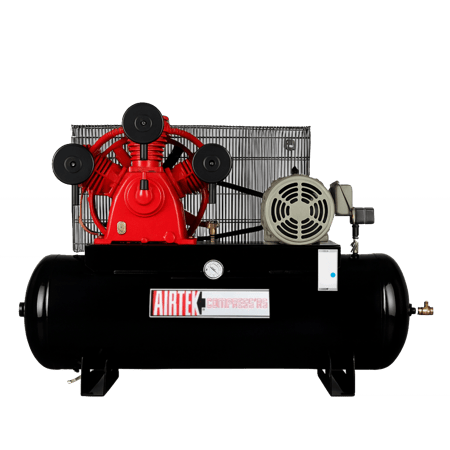
Just like the high-pressure washing system, the Airtek compressor is equipped with a genuine Honda engine. This standardization of the engine greatly simplifies fleet maintenance, since the spark plugs, engine oil types, and filters required are identical for the platform’s two main machines. The high-efficiency cast iron compression head ensures a constant air flow rate measured in CFM, capable of continuously powering a wide variety of heavy-duty pneumatic tools.
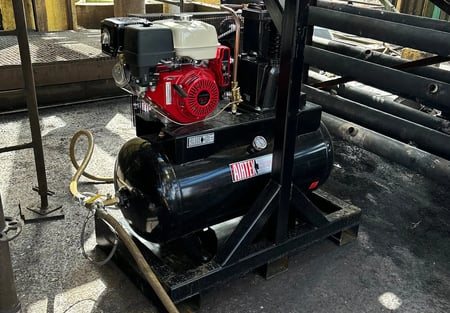
The air compressor plays a crucial role in specialized cleaning tasks. When cleaning ventilation ducts, compressed air is used to power rotating nozzles or vibrating brushes that dislodge dust from the interior walls before rinsing or vacuuming.
In addition, having a self-contained air source allows technicians to completely drain the water hoses at the end of a fall workday, thereby preventing winter frost from damaging the system’s internal components overnight.
The key to efficiency: The three Hannay Reels electric reels
While the motors’ power provides the necessary force for cleaning tasks, hose management determines the speed of operation in the field. The key feature that truly sets this industrial setup apart is the integration of three Hannay Reels electric hose reels. The use of motorized reels eliminates the intense physical effort involved in manually rewinding hundreds of feet of heavy, rigid hoses, thereby significantly reducing worker fatigue and the risk of musculoskeletal injuries.
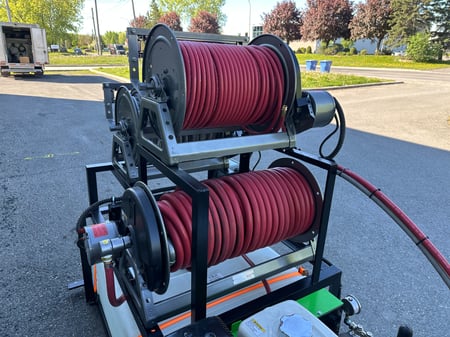
Each reel is powered by the platform’s or vehicle’s electrical system and is activated by simply pressing a rugged, splash-proof button. Hannay Reels’ sturdy steel frames and ribbed side discs withstand deformation caused by the winding tension of pressurized hoses. The precise alignment of the three reels on the skid allows water and air lines to be deployed simultaneously or separately without any risk of knots or tangles in the working lines.
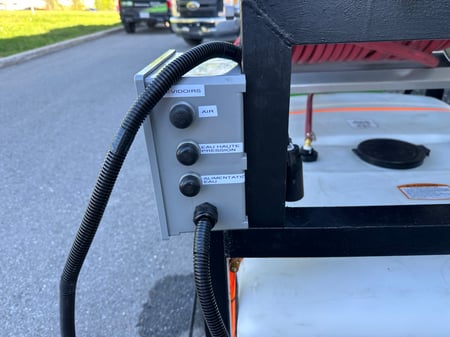
By optimizing workflows with these motorized reels, a smaller team can complete a job twice as fast as with traditional manual storage methods. The time saved on each job directly translates into the ability to schedule additional jobs on the same day, thereby increasing the company’s overall revenue.
Low-pressure hose reel
The first reel in the series is a Hannay Reels reel configured to hold 200 feet of large-diameter low-pressure hose. The primary function of this line is to supply and fill the platform’s buffer water tank from any available water source at the incident site, such as an exterior building valve or a commercial faucet.
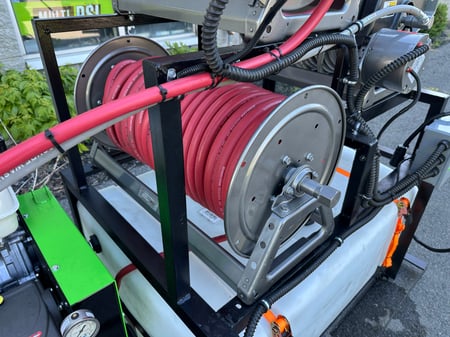
Thanks to its 200-foot length, the pressure washer operator has ample room to park the truck in the safest and least obtrusive spot, without having to pull right up against the facade of the structure being cleaned. The hose used is selected for its durability and ability to maintain maximum flow rate to reduce wait time during the initial filling of the water tank.
The water tank’s supply is typically managed by a float valve or electronic valve installed inside the tank. As soon as the water level drops due to intensive use of the high-pressure washer, the valve opens to compensate for the loss. This automated process allows the technician to focus on the cleaning task at the other end of the line without having to constantly monitor the truck’s remaining water supply.
High-pressure hose reel
The second electric reel is designed for handling the high-pressure wash hose. Capable of storing up to 300 feet of hose reinforced with double steel braiding, this reel must withstand extreme mechanical stress when the 3,500 PSI machine is activated. The stainless steel swivel joint located at the center of the drum ensures the system remains perfectly sealed during rotation, thereby preventing fluid leaks that would cause damaging pressure loss.
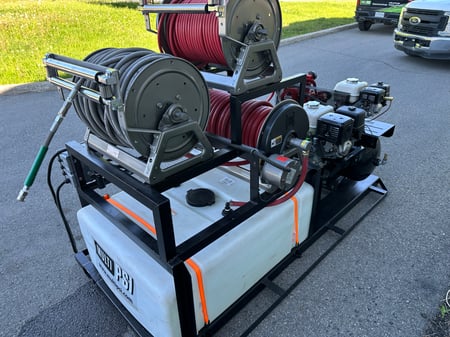
A 300-foot reach provides exceptional coverage. When cleaning ventilation systems or commercial facades, this reach allows you to access building roofs or penetrate deep into industrial structures while keeping the mobile washing platform safely parked outside. This eliminates the need to constantly move the vehicle or use fragile hose extensions connected by intermediate adapters.
The high-pressure hose installed on this reel features a smooth, abrasion-resistant outer jacket. This technical feature greatly facilitates electric reeling, as the hose glides easily over concrete surfaces, structural corners, or window sills without exerting excessive resistance on the Hannay Reels electric motor.
Compressed air hose reel
The third hose reel completes the platform’s trio of efficiency features by accommodating 300 feet of compressed air hose from the Airtek compressor. This hose is specially designed to deliver compressed air without significant pressure loss, ensuring that pneumatic tools receive the air volume needed to operate at full capacity, even at a considerable distance from the vehicle.
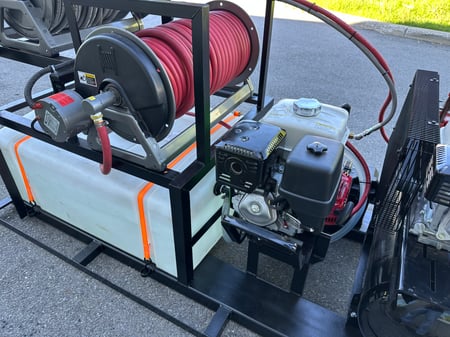
This air line has a wide range of applications. On a ventilation duct cleaning job site, it powers the pneumatic beaters and agitation nozzles that dislodge embedded debris. In other industrial settings, this line is used to power impact wrenches, grinders, blow guns for rapid surface drying, or pneumatic painting systems.
Synchronizing the lengths of the high-pressure water line and the compressed air line allows the technician to work simultaneously with both types of power at the exact same location on the job site. This synergy is a major advantage for post-disaster restoration work or the degreasing of heavy machinery, where the combined action of pressurized water and air blowing is necessary to achieve a flawless result.
Why the Skid pickup format is redefining urban mobility
The decision to integrate a system as comprehensive as this mobile pickup truck wash platform into the bed of a standard truck offers undeniable logistical advantages over traditional wash trailers. The first advantage relates to accessibility in urban areas and downtown districts of densely populated cities. Maneuvering an articulated truck with a long trailer through narrow alleys, underground parking garages, or restricted delivery zones is often a headache for drivers. A pickup equipped with a skid retains its original dimensions, allowing it to park in any standard parking space or pass through low access barriers.
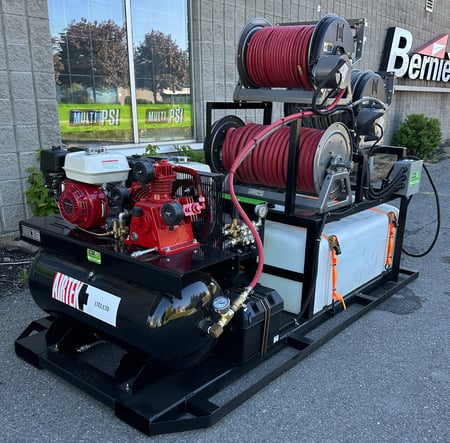
In addition, using a skid eliminates annual registration costs, maintenance expenses for axles, brakes, and tires—which are specific to trailers—as well as storage space constraints when the equipment is not in use. The mobile pickup truck wash platform is a self-contained, standalone unit that can be loaded onto or unloaded from the truck bed in just a few minutes using a forklift, thanks to forklift slots integrated into the base of the chassis. This allows the company’s truck to regain its original versatility for other tasks outside of periods of intensive cleaning.
In terms of safety, fluid transport is significantly stabilized. The water tank integrated into the skid is positioned to center the weight directly above or slightly in front of the pickup’s rear axle. This geometric configuration prevents the pitching or directional instability sometimes observed with poorly balanced trailers on the highway.
Technical specifications of the mobile car wash platform for pickup trucks
The following table lists the key technical specifications of the industrial components that make up this high-end mobile washing unit.
| Component | Model | Engine | Main Capacities |
| Pressure washer | MPJ4030BG | GX390 Honda motor | 3500 PSI / 4 GPM |
| Air compressor | HTG17/30 Airtek | GX200 Honda motor | Air flow 105-150 PSI |
| Water tank | High-density polyethylene | (Gravity feed / pump) | 110 gallons with bypass system |
| Low-pressure reel | Hannay Reels Electric | Heavy-duty 12V DC motor | Capacity for 200 feet of supply hose |
| High-pressure reel | Hannay Reels Electric | Heavy-duty 12V DC motor | Capacity for 300 feet of steel-braid hose |
| Compressed air reel | Hannay Reels Electric | Heavy-duty 12V DC motor | Capacity for 300 feet of pneumatic hose |
| Frame(Skid) | Reinforced unitary frame | N/A | Tie-down points for pickup and fork pockets |
Maximize the profitability of your field operations
Investing in a redesigned mobile wash skid for pickups represents a strategic choice for technical cleaning companies focused on efficiency and a professional brand image. Combining internationally renowned equipment like Honda engines and Hannay Reels electric hose reels, paired with local engineering from the Quebec-made Airtek compressor and the hydraulic power of the MPJ4035BG machine, guarantees exceptional yields on all types of urban or industrial jobs.
The complete autonomy provided by this configuration allows you to standardize work processes, deliver ultra-fast response times, and reduce dependence on your clients' facilities. To optimize your ventilation washing operations, commercial maintenance, or emergency interventions downtown, acquiring a single-piece skid-type mobile setup is the most reliable way to stay ahead of the competition while increasing the profitability of your field crews.
FAQ - Frequently Asked Questions About Mobile Wash Skids (FAQ)
What kind of truck (pickup) is needed to transport a car wash platform?
It is recommended to use an F-150 or F-250 series truck to transport a mobile car wash unit. The combined weight of the engines, the Airtek compressor, the Hannay Reels, and especially the water tank when it is full requires a high payload capacity to comply with current road safety standards.
Why choose a Quebec-made Airtek compressor?
Choosing an Airtek compressor manufactured locally in Quebec ensures perfect compatibility with the extreme temperature fluctuations of our climate. In addition, it greatly simplifies the procurement of replacement parts and access to technical support when needed, thereby avoiding lengthy production downtime during the peak cleaning season.
Is it possible to use the pressure washer without first filling the water tank?
Yes, if you have continuous access to a reliable water supply on the job site, you can supply the MPJ4035BG pressure machine directly via the 200-foot low-pressure hose reel. However, routing the water through the buffer tank remains the best practice for regulating flow and protecting the triplex pump from sudden drops in pressure. It is recommended to empty the tank when traveling on the road.
How does the electric rewind mechanism on Hannay Reels work?
Every Hannay Reels reel features a self-contained electric motor connected to a push-button switch. When the technician presses the button, the motor drives the drum via a heavy-duty chain or direct gearing to reel in the hose effortlessly. The hose is deployed manually by simply pulling on the line, with the drum rotating freely in disengaged mode.
Is this mobile washing system suitable for cleaning ventilation ducts?
Absolutely. This mobile pickup truck wash station combines exactly the two power sources needed for professional ventilation cleaning: 3,500 PSI pressurized water to clean and disinfect the interior walls, and compressed air from the Airtek compressor to power the pneumatic brushing tools that dislodge accumulated dust.
How long do Honda engines last?
With regular preventive maintenance—including engine oil changes, air filter replacements, and the use of high-quality fuel—genuine Honda engines used for industrial purposes can easily accumulate several thousand hours of operation without any major breakdowns.
How can I protect the car wash platform from freezing during the winter?
To store the safety skid during the winter season, it is mandatory to completely drain the buffer water tank, the pressure pump lines, and the hoses from the reels. Using the Airtek air compressor to blow residual water out of the circuits, followed by injecting a biodegradable antifreeze into the triplex pump, eliminates any risk of damage caused by ice expansion. Also perform winterization maintenance on the high-pressure machine and store the platform in a heated garage, preferably.
Do Hannay Reels require any special maintenance?
Maintenance of Hannay Reels electric reels is minimal but essential to ensure optimal smooth operation. It mainly involves periodically lubricating the drive chain, checking that the motor’s electrical connections are secure, and inspecting the rotating seals to ensure there are absolutely no water or air leaks.
Can longer hoses be installed on electric hose reels?
The reels selected for this configuration have drum dimensions designed to optimally accommodate 200 feet of low-pressure hose and 300 feet of high-pressure and air hose. Installing longer lengths could exceed the physical capacity of the side flanges and cause jams or uneven winding during the automatic rewind. However, other models are available for different lengths and diameters.
What types of air tools can be connected to the air hose reel?
The airflow generated by the Airtek compressor can power a wide range of industrial tools, including duct-cleaning nozzles, impact wrenches for on-site mechanical maintenance, light-duty sandblasting guns, grinders, and blow-off tools for cleaning dust-filled work areas.
Author : Multi PSI has been an expert in high-pressure washing equipment for over 25 years. As an equipment distributor, we also offer mobile and workshop repair services. We are recognized for our expertise in custom projects, including washing platforms and trailers, as well as the installation of washing systems with reels, poles, or rails.
Updated on June 10, 2026