.png?width=128&height=85&name=Logo%20(3).png)

Winter freezing represents one of the most complex operational challenges for municipalities, public works contractors, and commercial infrastructure managers in Quebec. When temperatures remain well below freezing for extended periods, water accumulated in drainage networks, underground structures, street grates, and drainage pipes freezes. This ice creates dense blockages that completely obstruct fluid flow. During sudden thaws or winter rain events, the system's inability to drain water leads to major flooding, devastating backups, and extremely costly structural damage.
To address these weather-related emergencies, using mobile, high-performance equipment—such as hot water wash skids or trailers equipped with an autonomous gasoline engine, a powerful burner, and precision accessories like the Mosmatic stabilizing nozzle—stands out as the fastest, safest, most cost-effective, and eco-friendly method. This comprehensive guide details the challenges of infrastructure freezing, analyzes thermal thawing technologies, and presents best practices for effective field interventions.
Table of contents
The Risks of Freezing on Infrastructure and Piping
The freeze-thaw cycles characteristic of Quebec winters impose extreme mechanical stress on water networks. As water transitions from a liquid to a solid state, its volume expands by approximately 9%. This volumetric expansion exerts tremendous radial pressure on the walls of any pipe, catch basin, or tank.
Surface Backups and Flooding
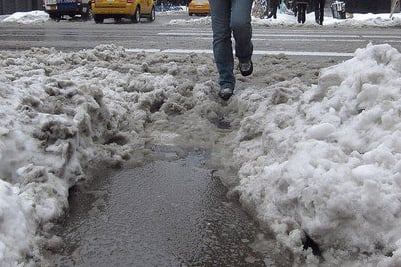
When a catch basin or sewer grate is completely sealed by ice, meltwater from streets, parking lots, or roofs can no longer drain properly. It accumulates rapidly on the surface, forming temporary retention ponds. During rapid thaws, this pooled water threatens to seep into neighboring building foundations, flood basements, and paralyze road traffic.
Pipe Cracking and Rupture
The force exerted by ice trapped inside a rigid pipe often exceeds the tensile strength of the materials. Whether dealing with PVC, HDPE, ductile iron, or concrete pipes, freezing forces can crack, deform, or burst the piping. Repairs then require emergency excavation in frozen ground—an extremely expensive and disruptive process.
Major Public Safety Risks
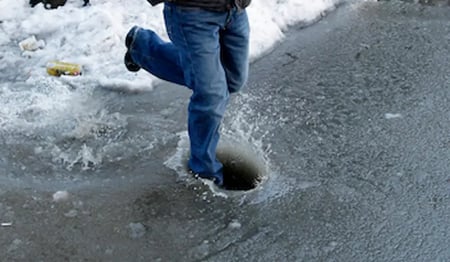
Water that fails to drain properly overflows onto roadways, sidewalks, and pedestrian zones. When temperatures drop overnight, these spills turn into black ice hazards, significantly increasing the risk of serious accidents and civil liability for infrastructure owners.
Impacts on Industrial Business Continuity
For a factory or commercial facility, a wastewater or process drainage line blocked by ice can force a complete shutdown of operations. Every hour of delay in clearing the network translates into heavy financial losses and downtime costs.
Why Choose High-Pressure Hot Water Thawing?
Historically, various methods were used to attempt to clear frozen pipes: mechanical de-icing with jackhammers, electrical resistance heating, or the application of aggressive chemicals. However, the evolution of high-pressure hot water equipment has completely replaced these older methods.
Targeted and Instantaneous Thermal Action
The combination of water temperature and velocity enables extremely rapid heat transfer to the ice mass. Rather than scraping or drilling superficially, a hot water stream (typically between 60°C and 85°C / 140°F and 185°F) melts the crystalline structure of the ice in seconds. Heat dissolves the obstruction while water flow flushes away frozen debris.

Precision and Control via the Stabilizing Nozzle
Maneuverability in the field is paramount. Using a high-performance assembly—including an ergonomic gun, a rigid lance, and a stabilizing nozzle—allows the operator to direct the hot water stream with surgical precision. The stabilizing nozzle channels the high-pressure stream to minimize overspray and turbulence, maintaining thermal and mechanical impact exactly where the ice plug is located without risk of deflection.
100% Eco-Friendly and Environmentally Safe Approach
Using water and heat exclusively eliminates any need for salts, solvents, or corrosive chemical agents. Toxic chemicals inevitably leak into nature, contaminating groundwater tables and local waterways, and disrupting aquatic ecosystems. Furthermore, contrary to popular belief, the synergy of high pressure and heat cuts through ice in record time, significantly reducing the amount of water required compared to traditional flooding methods. Hot water thawing fully complies with municipal and government environmental standards.
Preservation of Pipe Integrity
Unlike mechanical de-icing tools (drill bits, metal rods, jackhammers) that risk puncturing, chipping, or shattering PVC or concrete pipes, hot water exerts no destructive impact stress on the material. The ice melts upon contact with heat without altering the pipe or original structure.
Key Components of a Hot Water Wash Skid or Trailer for Thawing
A premium wash skid or trailer engineered for winter operations is an autonomous mobile unit capable of operating in the field without relying on external electrical sources.
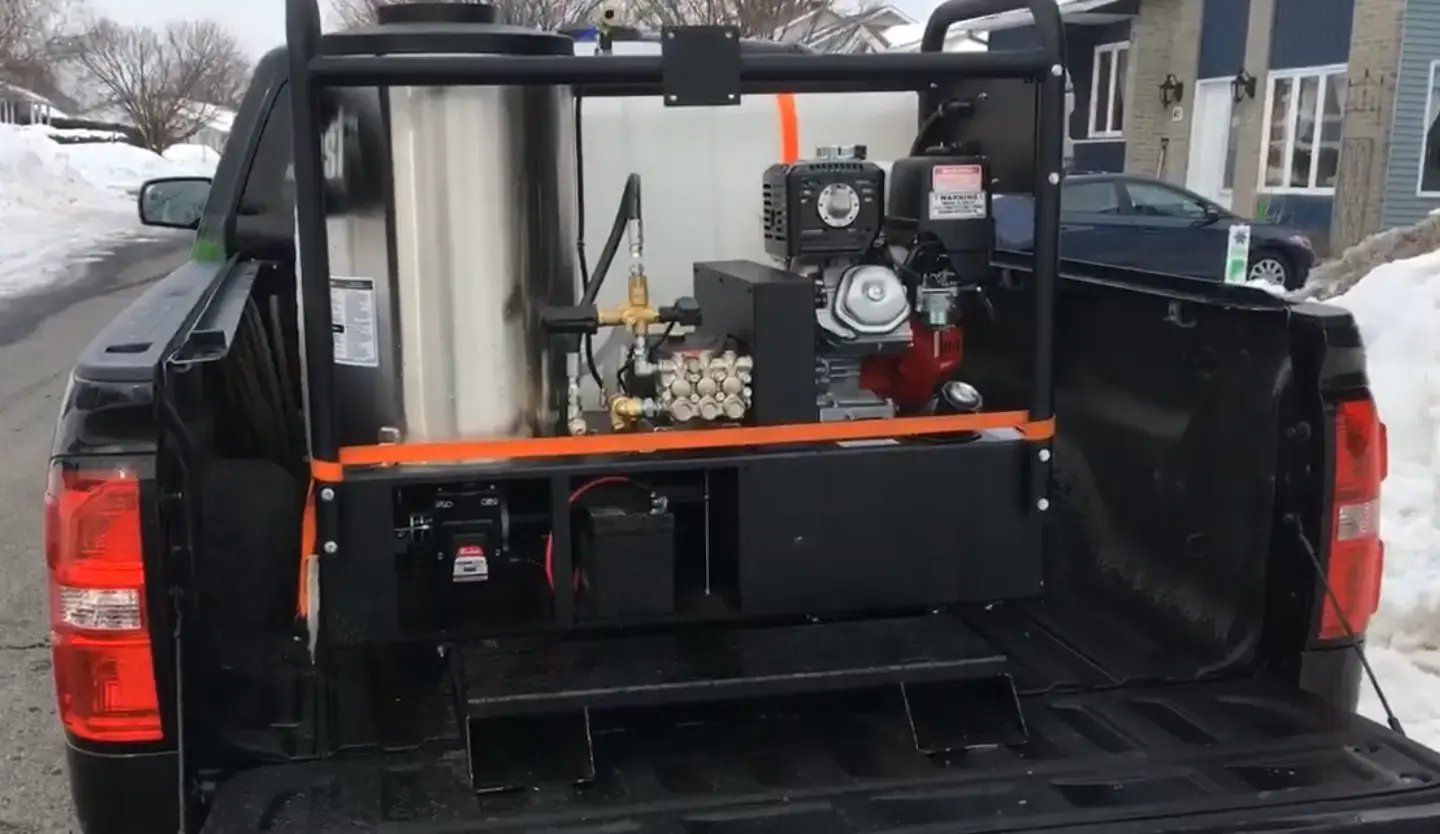
Heavy-Duty Gasoline Engine
To operate anywhere—from rural roadsides to active construction sites—the system is powered by a reliable industrial gasoline engine (e.g., Honda, Kohler, or Vanguard). This engine delivers the mechanical power necessary to drive the high-pressure pump at peak capacity, ensuring total autonomy in the field.
High-Pressure Triplex Pump
The pump serves as the hydraulic heart of the system. Triplex plunger pumps, such as General Pump or Interpump, are favored for their exceptional durability and steady flow rate. Built with forged brass heads and solid ceramic plungers, they offer superior resistance to wear and temperature fluctuations during intensive thawing operations.
High-Efficiency Diesel Burner
To transform cold water into an ultra-effective thawing solution, the unit integrates a high-efficiency oil or diesel burner. This system heats water passing through a heavy-duty steel coil, providing rapid, consistent temperature rises to melt ice instantly.
Industrial-Grade High-Pressure Hose, Gun, and Lance
Hot water is delivered to the work area through a reinforced high-pressure hose that resists abrasion and elevated temperatures. The gun and lance allow the operator to handle the equipment safely while targeting icy areas in grates, catch basins, and culvert openings.
Stabilizing Nozzle
The stabilizing nozzle mounted at the end of the lance is a crucial component. Thanks to its precision engineering, it concentrates the hot water stream and eliminates nozzle discharge turbulence. This projects an extremely stable, powerful jet capable of penetrating ice at a greater distance while retaining maximum thermal and mechanical energy.
Applications: Catch Basins, Culverts, and Piping
The versatility of a hot water wash skid or trailer allows teams to respond quickly to multiple winter emergencies across municipal, commercial, and industrial sites.
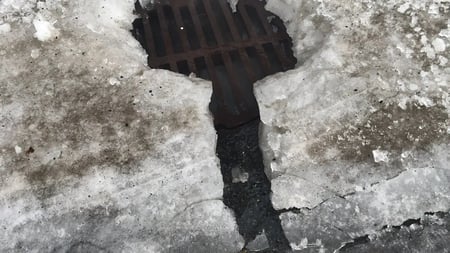
Thawing Catch Basins and Sewer Grates
Catch basins along streets and commercial parking lots collect surface runoff. In winter, melted snow gathers on the top grate and freezes, creating an airtight seal. By directing the lance with the stabilizing nozzle directly through the grates, hot water slices and dissolves the ice quickly, restoring drainage to the storm sewer system before the roadway floods.
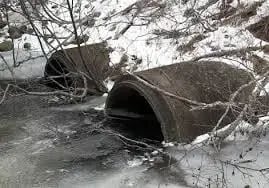
Unblocking Road Culvert Openings
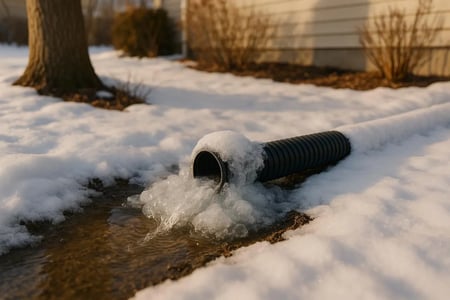
Culverts beneath driveways and roads are particularly vulnerable to freezing at their inlets and outlets. When a culvert becomes blocked by ice, water pools upstream and eventually overflows or erodes the road embankment. Using the lance paired with the stabilizing nozzle liquefies ice blocks blocking the ends of the culvert with optimal impact power, freeing water flow.
De-icing Accessible Equipment and Piping
At industrial and commercial facilities, exterior drainage pipes, manholes, and industrial gutters can freeze suddenly. A mobile wash skid brings hot water right next to the issue, removing ice safely without damaging surrounding structures.
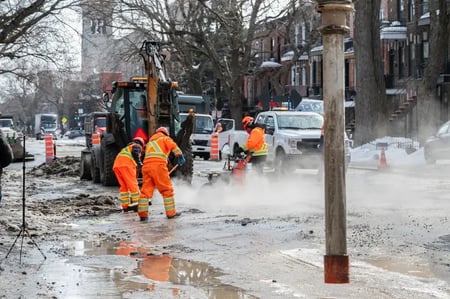
Cleaning and Preparing Sewer Structures
In addition to thawing, high-pressure hot water removes accumulated mud, sand, and debris gathered around catch basin grates over the winter, ensuring smooth drainage for the remainder of the season.
Field Case Study and Video Demonstration
Nothing demonstrates the impact of hot water thawing better than a real intervention in extreme winter conditions.
Emergency Response
Thawing a Catch Basin Under 8 to 10 Inches of Ice
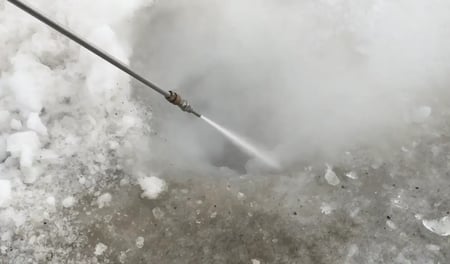
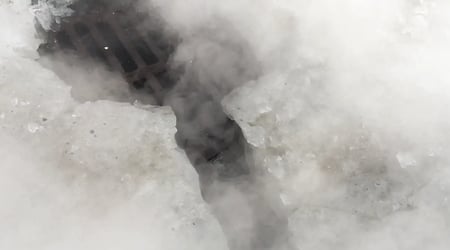
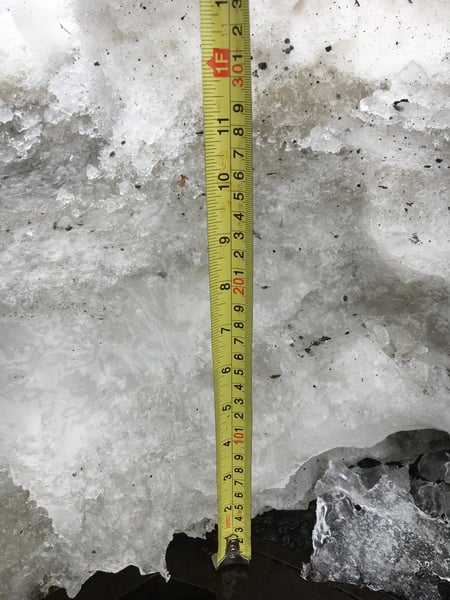
During spring thaws in Quebec, street catch basins are frequently submerged under a thick layer of dense ice. In this concrete scenario, the catch basin was completely blocked by an 8-to-10-inch (20-to-25-cm) layer of solid ice, preventing meltwater from draining and threatening to flood the street.
The intervention—performed using our mobile wash skid compactly mounted in a pickup truck bed—demonstrated the speed of this technology:
- Positioning: The vehicle parked directly beside the catch basin without blocking the entire public roadway.
- Targeted Action: The operator directed the lance equipped with the stabilizing nozzle through the ice crust.
- Thermal Penetration: In just seconds, high-pressure hot water pierced through the 8 to 10 inches of ice, instantly creating a drainage chimney.
- Network Relief: The ice plug dissolved completely, unblocking the grate and allowing pooled water to surge into the system without damaging municipal infrastructure.
Video Demonstration of Our Mobile Skid Unit
See our equipment in action in the field as it clears a fully frozen catch basin:
Note: The video showcases the power of a hot water stream combined with nozzle precision to cut through thick ice in record time.
Comparison Table of De-icing Methods
Choosing a thawing method should be based on a rigorous evaluation of speed, long-term costs, and infrastructure preservation.
|
Evaluation Criterion |
High-Pressure Hot Water
|
Chemicals & Salts |
Mechanical (rods/Picks) |
Electric Heating |
|
Execution Speed |
Very fast (instant melting) |
Very slow (several hours) |
Slow & labor-intensive |
Slow (gradual progress) |
|
Spray Precision |
Excellent (via stabilizing nozzle) |
None (broad spreading) |
Limited |
Low |
|
Structural Risk |
None (gentle thermal action) |
High (metal corrosion) |
Very high (punctures/cracks) |
Medium (overheating risk) |
|
Environmental Impact |
Neutral (pure water only) |
Harmful (toxic to soil) |
Neutral |
Neutral |
|
On-Site Autonomy |
Total (gasoline engine) |
High |
High |
Low (requires power) |
|
Overall Cost-Effectiveness |
Excellent (time savings) |
Low (reagent costs) |
Low (high labor) |
Average |
Maintenance and Winterization Guide for Your Equipment
Thawing equipment is only effective if it starts instantly in an emergency. Extreme cold leaves no room for maintenance oversights. Following a strict maintenance protocol guarantees the operational reliability of your wash skid throughout the winter season.
Recommended winter maintenance routine
- Daily check of engine oil levels and filters
- Full water circuit purge after every operation
- Antifreeze injection into pump, coil, and hose
- Inspection of nozzle, gun, and lance
- Inspection of diesel burner and ignition system
Systematic Antifreeze Injection After Every Use
This is the golden rule to prevent destruction of your pump, heating coil, and spray gun. At the end of every cold-weather intervention, the operator must connect the pump to an antifreeze reservoir and run the system until antifreeze exits the lance. This step protects the internal hydraulic circuit from freezing during transport or storage.
Gasoline Engine and Burner Maintenance
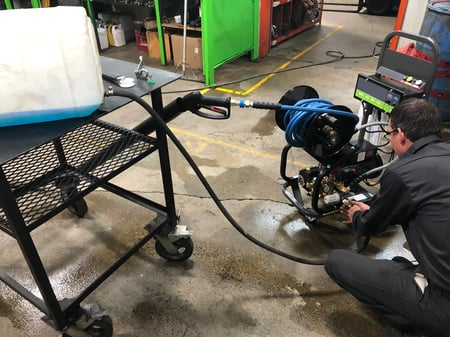
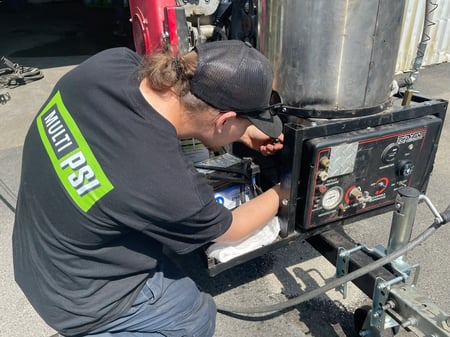
Gasoline engines require regular monitoring: check oil levels, ensure spark plugs are clean, and use fresh fuel treated with winter stabilizer additives. For the burner, a clean fuel nozzle and properly adjusted electrodes ensure instant ignition and maximum heat without excessive soot emissions.
Inspection of Nozzle, Gun, and Hose
Inspect high-pressure hoses regularly for wear, cuts, or bulges caused by dragging over frozen ground. Ensure the gun and lance show no water leaks. Check the stabilizing nozzle to ensure internal passages are free of sediment, preserving a concentrated stream.
Custom Solutions and Support
The harsh northern climate in Quebec leaves no room for improvisation when protecting public and private infrastructure from frost damage. Investing in reliable, high-performance hot water wash equipment paired with quality accessories like stabilizing nozzles is the best way to prevent costly emergencies and protect local communities.
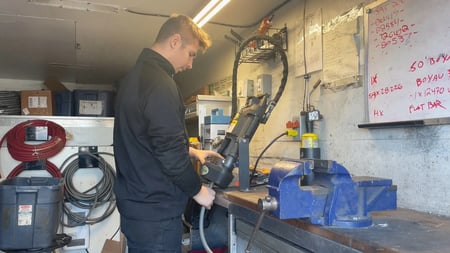
For many years, Multi PSI has been the trusted partner for municipalities, excavation contractors, and industrial cleaning companies across Quebec. Our experts design, assemble, and service custom hot water wash skids and trailers built with the industry's toughest components: proven gasoline engines, industrial high-pressure pumps, high-efficiency burners, ergonomic spray guns, and precision nozzles.
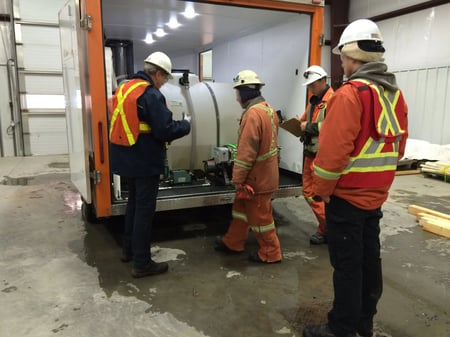
Whether you are looking to acquire a new autonomous skid, outfit a wash trailer, upgrade your cleaning accessories, or schedule preventive maintenance before winter arrives, our specialized technicians are ready to advise and assist you.
Visit our specialists or contact our team at either of our two locations in Boucherville and Granby:
-
Branches: Sales Department, Repair Shop, and Parts Counter
-
Phone : 450-641-6633
-
Email : support@multipsi.com
-
Website : www.multipsi.com
Frequently Asked Questions (FAQ)
What is the best approach for effectively thawing catch basins and culverts?
The most effective method utilizes high-pressure hot water (typically between 65°C and 85°C / 150°F to 185°F) projected through a lance equipped with a stabilizing nozzle. Hot water uses thermal mass and high flow to dissolve ice rapidly, while the stabilizing nozzle channels the stream without turbulence to maximize impact force on the ice plug.
Why use a stabilizing nozzle instead of a standard nozzle for thawing?
A stabilizing nozzle is engineered to eliminate jet dispersion as water leaves the lance. It produces a straight, dense, tightly focused stream of hot water. This enables operators to target ice with greater precision—even at longer distances or through catch basin grate openings—significantly increasing thawing speed.
Can high-pressure hot water equipment damage PVC pipes?
No. Unlike mechanical tools that physically strike materials, thermal hot water thawing transfers heat directly to the ice. Operating temperatures (around 70°C to 80°C / 158°F to 176°F) and continuous movement of the spray stay well within the thermal tolerance limits of PVC and HDPE pipes. Ice melts smoothly without warping or deforming the pipe.
Can this wash skid be used in the summer for other applications?
Gasoline-powered hot water wash skids are extremely versatile. During summer months, they are widely used for degreasing heavy machinery, weed control, vehicle fleet washing, graffiti removal, surface preparation before painting, and building maintenance.
What is the ideal water temperature for effective thawing without wasting fuel?
The ideal water temperature for thawing ranges between 65°C and 85°C (150°F to 185°F). Operating in this range dissolves ice at maximum speed while optimizing diesel fuel consumption for the burner.
Should chemical products be added to the water tank to speed up thawing?
No, it is neither necessary nor recommended. The combination of hot water and nozzle pressure is more than enough to dissolve ice quickly. Using pure water prevents environmental pollution, protects aquatic life, and extends the lifespan of pump seals.
What pressure (PSI) and flow rate (GPM) are recommended for a high-performance thawing skid?
An optimal configuration for thawing catch basins and equipment typically combines a pressure of 3000 to 4000 PSI with a flow rate of 4 to 5.5 GPM (gallons per minute). Pressure provides the necessary impact force, while flow delivers the required BTUs to melt solid ice blocks.
Why is my pressure washer losing pressure during operation?
A sudden drop in pressure can be caused by a worn nozzle orifice, a water inlet filter partially clogged with sediment, air leaking into the suction line, or worn pump valves. Cleaning the filter and checking the nozzle usually resolves the issue quickly.
What type of antifreeze should be used to winterize the wash skid?
We strongly recommend using non-toxic, biodegradable antifreeze (propylene glycol-based) specifically formulated for pumping equipment. This provides reliable freeze protection during storage or transport while eliminating environmental contamination risks during spring startup.
Is an electrical power source required on site to operate the system?
No. The wash skid (or trailer) is fully autonomous. The gasoline engine drives the high-pressure pump and generates the electricity required for the diesel burner's ignition system. This allows operators to work anywhere in the field, even in remote locations.
Author: Multi PSI has been an expert in high-pressure washing equipment for over 25 years. As an equipment distributor, we also offer mobile and workshop repair services. We are recognized for our expertise in custom projects, including washing platforms and trailers, as well as the installation of washing systems with reels, poles, or rails.
Updated on July 22, 2026