.png?width=128&height=85&name=Logo%20(3).png)
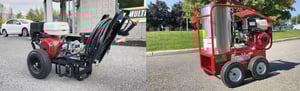
In the field of commercial and industrial cleaning, efficiency and speed are not luxuries, but daily operational necessities. When it comes to quickly removing stubborn dirt, accumulated grease, or encrusted residue on heavily used equipment, vehicle fleets, or concrete surfaces, traditional washing methods are no longer enough. That is where high-pressure washers come into play—a powerful, versatile tool that has become essential across many industry sectors in Quebec.
Whether you are a general contractor, fleet manager, agricultural producer, or municipal maintenance manager, investing in a professional pressure washer is far more than a simple equipment purchase. It is a genuine strategy to optimize labor hours, preserve asset value, and ensure a cleaner, safer work environment for your teams.
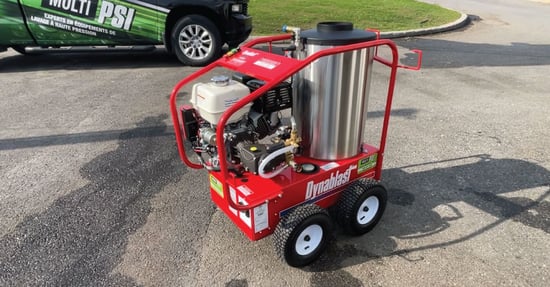
Table of contents
- Why Invest in a Professional Pressure Washer
- MPJ4035BG Cold Water Pressure Washer
- H4035DGF Hot Water Pressure Washer
- Cold Water vs. Hot Water: How to Make the Right Choice?
- Maintenance Guide and Safe Operation
- Choosing a Solution Tailored to Your Operations
- FAQ: Frequently Asked Questions About Pressure Washers
Why Invest in a Pressure Washer?
A pressure washer (also referred to as a power washer or pressure cleaning machine) is motorized equipment that uses a gas, diesel, or electric engine to pressurize water through a specialized pump. This water is then propelled at high speed through a wand to dislodge mud, oils, peeling paint, or various industrial contaminants.
In this article, we take an in-depth look at two flagship gas-powered models from Dynablast, renowned for their exceptional durability and assembled in Canada. These models are available at Multi PSI, your specialized distributor of industrial washing equipment in Quebec, located in Boucherville and Granby.
Investing in a professional unit drastically reduces machine washing time and ensures proper preventive maintenance of your commercial equipment.
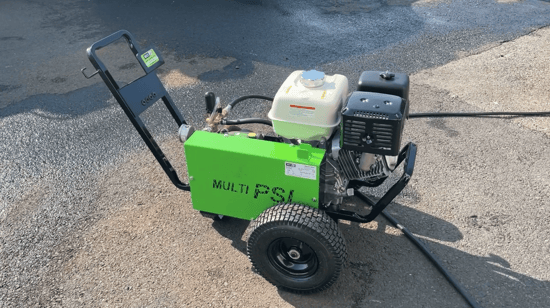
MPJ4035BG Cold Water Pressure Washer
A cold water pressure washer is designed for intensive surface cleaning using a high-pressure water jet without a heating system. It is the preferred solution for removing dust, mud, organic grime, or light grease.
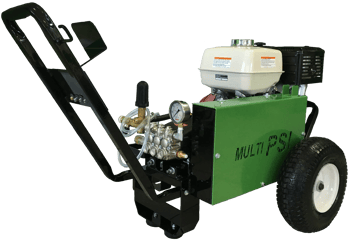
Technical Specifications of the Cold Water Pressure Washer
The MPJ4035BG pressure washer is powered by a Honda GX gas engine, renowned for its reliability and long service life.
- Pressure : 3500psi
- Water flow : 4.0gpm
- Engine: Professional Honda GX gas engine
- Pump : General Pump triplex pump with ceramic components
- Drive : Belt drive (pulley and belt)
-
Frame: Heavy-duty powder-coated tubular steel frame with 13-inch pneumatic tires
Advantages of Cold Water Pressure Washers
The MPJ4035BG cold water pressure washer excels in simplicity and mobility. Without a burner or extra fuel tank for hot water, the unit remains compact and easy to transport in a pickup truck bed or trailer.
- Versatile: Ideal for construction sites, farms, transport yards, and containers.
- Effective: Cleans dirt, dust, mud, and light grease residue (when paired with a detergent such as MPSI-5011).
- Affordable: Less expensive than hot water models.
- Low Maintenance: No heating system to maintain.
This model is ideal for anyone seeking an effective, affordable, and mobile outdoor cleaning solution.
Electric Option for Enclosed Spaces
For indoor applications in factories, garages, or enclosed agricultural buildings, combustion engines must be avoided due to carbon monoxide emissions.
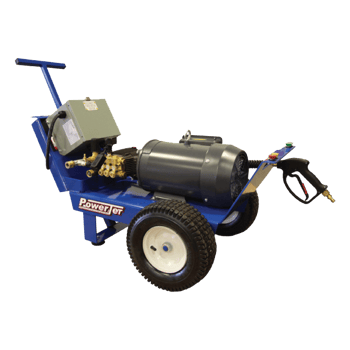
The PJ3035E-GP-A model provides a high-performance electric alternative operating on 240 volts. It delivers 3000 PSI at 3.5 GPM, allowing safe indoor operation without generating harmful emissions.
H4035DGF Hot Water Pressure Washer
When dirt consists of heavy grease, engine oil, tar, road salt (calcium), or baked-on food residue, cold water reaches its limits. A hot water pressure washer combines the mechanical force of high pressure with the thermal action of high-temperature water.
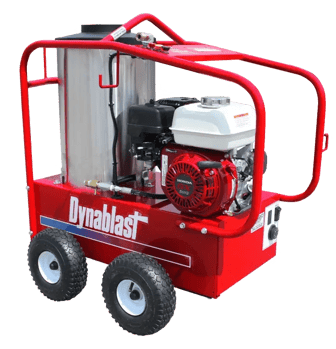
Technical Specifications of the Hot Water Pressure Washer
The Dynablast H4035DGF is an industrial unit built for rigorous degreasing and heavy-duty cleaning applications.
- Pressure : 3500psi
- Water flow: 4.0gpm
- Engine: Honda GX gas engine
- Diesel Burner: High-performance diesel/heating oil burner with steel coil
- Pump : General Pump triplex pump with brass heads
- Drive: Direct drive
- Frame: Reinforced steel frame on 13-inch all-terrain wheels
Advantages and Applications of Hot Water Washing
Hot water acts as a natural degreaser. The heat melts grease and oil almost instantly, significantly reducing the washing time required per piece of equipment.
- Superior Degreasing Power: Quickly eliminates hydraulic oils, heavy grease, and tar.
- Chemical Savings: Heat reduces the need for harsh detergents to achieve spotless results.
- Surface Sanitization: High-temperature water helps destroy bacteria and organic buildup.
- Hourly Cost Efficiency: Cuts down job time on fleet vehicles and job site machinery.
It is the equipment of choice for melting grease or scrubbing heavily soiled surfaces.
Electric Option for Enclosed Spaces
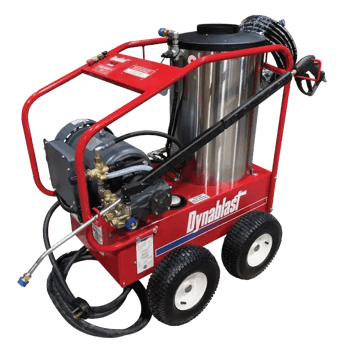
If degreasing work needs to be performed inside a closed workshop or processing plant, the H4030DEF1 model is the ideal solution. This unit combines a 240-volt electric motor with a diesel-fired heating system. Note that chimney venting is required to exhaust burner combustion gases during stationary indoor use.
Cold Water vs. Hot Water: How to Make the Right Choice?
Choosing between a cold water and hot water pressure washer depends on the type of residue to clean, the job location, and usage frequency.
To help compare options available at Multi PSI, review the tables below summarizing key technical specifications for each category.
Comparison Table: High-Pressure Washers
Gas-Powered Pressure Washers
| Specifications | Cold Water MPJ4035BG | Hot Water H4035DGF |
| Pressure | 3500 psi | 3500 psi |
| Water flow | 4.0 gpm | 4.0 gpm |
| Engine type | Honda GX390 Gas | Honda GX390 Gas |
| Degreasing ability | Moderate (with soap) | Excellent |
| Drive type | Belt Drive | Direct Drive |
| Maintenance required | Low | Moderate |
| Ideal for | Mud, dust, debris | Grease, oil, heavy contaminants |
Electric Pressure Washers
| Specifications | Cold Water PJ3035E-GP-A | Hot Water H4030DEF1 |
| Pressure | 3000 psi | 3000 psi |
| Water flow | 3.5 gpm | 4.0 gpm |
| Engine type |
Electric 240V | Electric 240V |
| Auto Start/Stop | Yes | Yes |
| Degreasing ability | Moderate (with soap) | Excellent |
| Drive type | Direct Drive | Direct Drive |
| Maintenance Required | Low | Moderate |
| Ideal for | Mud, dust, debris | Grease, oil, heavy contaminants |
A cold water pressure washer is less expensive and sufficient for non-greasy tasks. Meanwhile, a hot water washer costs more upfront but cleans faster and breaks down grease and oils far more effectively.
A gas-powered unit delivers greater autonomy and high performance, but must be operated outdoors or equipped with proper exhaust venting. Electric motors run quieter, produce zero emissions, and require much less maintenance.
Always wear safety glasses and work gloves when operating a high-pressure washer for personal protection.

Maintenance Guide and Safe Operation
Operating a professional pressure washer safely requires following strict guidelines to prevent injury and extend mechanical component life.
Operational Safety
- Personal Protective Equipment (PPE): Safety glasses, work gloves, and steel-toe boots are mandatory. High-pressure spray nozzles can cause severe skin injuries.
- Hose Inspection: Check high-pressure hoses before every startup. Never use a frayed or kinked hose.
- Enclosed Spaces: Never run a gas engine indoors without an extraction system compliant with occupational safety standards (CNESST).
Preventive Maintenance
To ensure pressure washer reliability across every season, follow a routine maintenance plan:
- Pump Oil Changes: Perform the initial oil change after the first 50 operating hours, then every 300 hours or annually.
- Water Filters: Clean the water inlet filter regularly to prevent debris from damaging internal pump valves.
- Winterization & Anti-Freeze Protection: During Quebec winter months, standing water inside the pump head can freeze and crack components. Flushing the system with a proper antifreeze solution before winter storage is essential.
Choosing a Solution Tailored to Your Operations
A properly selected pressure washer serves as a major productivity driver for your business. The cold water MPJ4035BG delivers a mobile, rugged solution for general cleanup across construction sites and agricultural operations. Conversely, the hot water H4035DGF is essential whenever grease and heavy oils are part of daily operations.
To maximize setup efficiency, Multi PSI offers custom equipment configurations:
- Self-contained wash trailer packages with integrated water supply tanks
- Stationary wash bays with overhead boom arms and automatic hose reels
- Chemical soap proportioner systems and telescopic wash wands
Explore equipment and customization options directly on our website in the mobile and stationary pressure washers section, or check our technical guides to select the right commercialfoam cannon.
Contact our specialists at Multi PSI in Boucherville or Granby for an operational needs assessment and custom quote.
FAQ: Frequently Asked Questions About Pressure Washers
What is the best pressure washer for heavy vehicle fleets?
For transport trucks, excavators, or agricultural equipment covered in grease and road salt, the H4035DGF hot water model is the optimal choice. Thermal energy dissolves greasy buildup quickly. For routine dirt and mud washing on fleet vehicles, the MPJ4035BG cold water model offers excellent performance at a lower price point.
Can a cold water pressure washer remove grease?
Yes, but it requires using heavy-duty degreasing detergents and extra scrubbing time. Hot water remains significantly faster and more effective for removing oil and grease deposits without overusing chemical products.
What budget should be allocated for a professional pressure washer?
A professional cold water model like the Dynablast MPJ4035BG typically starts around $3,500 depending on options. An industrial hot water model with a diesel burner like the H4035DGF starts around $8,500 and increases based on custom configurations and added accessories.
Can pressure washers be used during winter?
Yes, these units can operate in winter conditions. However, water must be fully drained from the pump, heating coil, and hoses after every use, or flushed with an antifreeze solution to prevent freezing damage inside the pump manifold.
What is the difference between belt drive and direct drive?
A direct drive system turns at the same speed as the engine (around 3400 RPM), creating a lighter and more compact unit. A belt drive system uses pulleys to reduce pump speed (around 1750 RPM), lowering internal wear, heat build-up, and extending overall pump life. For more details, see our blog post on direct drive vs. belt drive systems.
Why is water flow rate (GPM) more important than pressure (PSI)?
PSI (pressure) dislodges dirt from surfaces, while GPM (gallons per minute) rinses and flushes debris away. For commercial and industrial use, a higher flow rate (4.0 GPM or higher) cleans large surface areas significantly faster than a machine with high PSI but low water volume.
What type of fuel is required for hot water burners?
Hot water burners on models like the H4035DGF typically run on No. 1 diesel, No. 2 diesel, or home heating oil. Clean fuel is essential to prevent burner nozzle clogging.
Can a pressure washer be gravity-fed from a water tank?
Yes, but most industrial high-pressure pumps require continuous water supply pressure. To draw water directly from a non-pressurized supply tank, using a booster pump or ensuring the washer has a self-priming pump setup is recommended.
How often should pump oil be changed?
On a new pump, complete the initial break-in oil change after 50 hours. Afterwards, change pump oil every 250 to 300 hours or at least once a year using specialized non-detergent pump oil.
Which detergents are safe to use with commercial pressure washers?
Use detergents formulated specifically for high-pressure injector systems or foam cannons, such as MPSI-5011 professional soap. Avoid household cleaners that can damage internal pump seals and check valves.
Author : Multi PSI has been an expert in high-pressure washing equipment for over 25 years. As an equipment distributor, we also offer mobile and in-shop repair services. We are recognized for our expertise in custom projects, including wash platforms, trailers, and complete wash bay systems with hose reels, booms, and overhead rails.
Updated September 14, 2026